


Cable trays weave order into the chaos of cables and tubing, transforming sprawling installations into clean, efficient systems. From oil platforms to food production facilities and tunnel infrastructure, molybdenum-containing stainless steel trays deliver exceptional performance, with unmatched resistance to corrosion and high temperatures.
By Karlee Williston, IMOA
From tunnels and skyscrapers to factories and homes, cable trays support and protect the cables that power modern life, preventing damage, contamination, and disruption. Ranging from basic configurations to custom installations spanning tens of thousands of meters, cable trays ensure safe and reliable functionality. They are available in a variety of designs, such as solid trays for full coverage, ladder trays for heavy-duty installations, and open wire baskets for improved airflow. Even though aluminum and galvanized steel are the most widely used tray materials, stainless steel excels where these materials fall short.
Where stainless steel cable trays are critical:
Corrosive Environments
Maintaining oil, gas, and offshore wind platforms is challenging and costly. Cable trays secure and organize wiring in tight spaces, preventing hazards caused by loose cables while performing reliably in harsh conditions like high winds. They also reduce the need for maintenance in areas that are difficult to access.
To address these challenges, molybdenum-containing stainless steels are chosen for their exceptional resistance to seawater and salt spray corrosion, which reduces the need for frequent maintenance. While coated carbon steel components are still common on these platforms, molybdenum-containing stainless steels are preferred in more aggressive environments due to their superior durability and lower life cycle costs. Type 316 stainless steel with 2% molybdenum is often used for topside cable trays.
In five-year exposure tests conducted on the French Atlantic coast at Brest, Type 316 stainless steel outperformed lean duplex grades with lower molybdenum content. 2205 duplex stainless steel with 3% molybdenum demonstrated even greater performance, as also shown in a four-year coastal exposure test in Dubai. Only 2507 super duplex stainless steel, with 3.5% molybdenum, remained completely stain-free under these conditions, proving its unmatched corrosion resistance.
High Temperatures
Elevated temperature environments, such as those near boilers, furnaces, or heat exchangers, demand materials that can maintain stability and resist degradation. Stainless steel excels in these conditions, especially molybdenum- containing grades, making it the most resistant material for cable trays in heat-intensive applications.
While all materials weaken at high temperatures, stainless steel retains more strength than others, even under fire. At 400°C, stainless steel remains stronger than low-carbon steel at room temperature, and Type 316 stainless steel outperforms Mo-free Type 304 at higher temperatures. These properties make stainless steel indispensable for high-temperature and fire-prone environments where safety and durability are critical.
Hygienic Applications
Stainless steel is essential in the food and beverage industry due to its smooth, non-porous surface, which resists bacterial growth and ensures thorough cleaning. Its durability and ease of sterilization make it ideal for environments requiring strict hygiene.
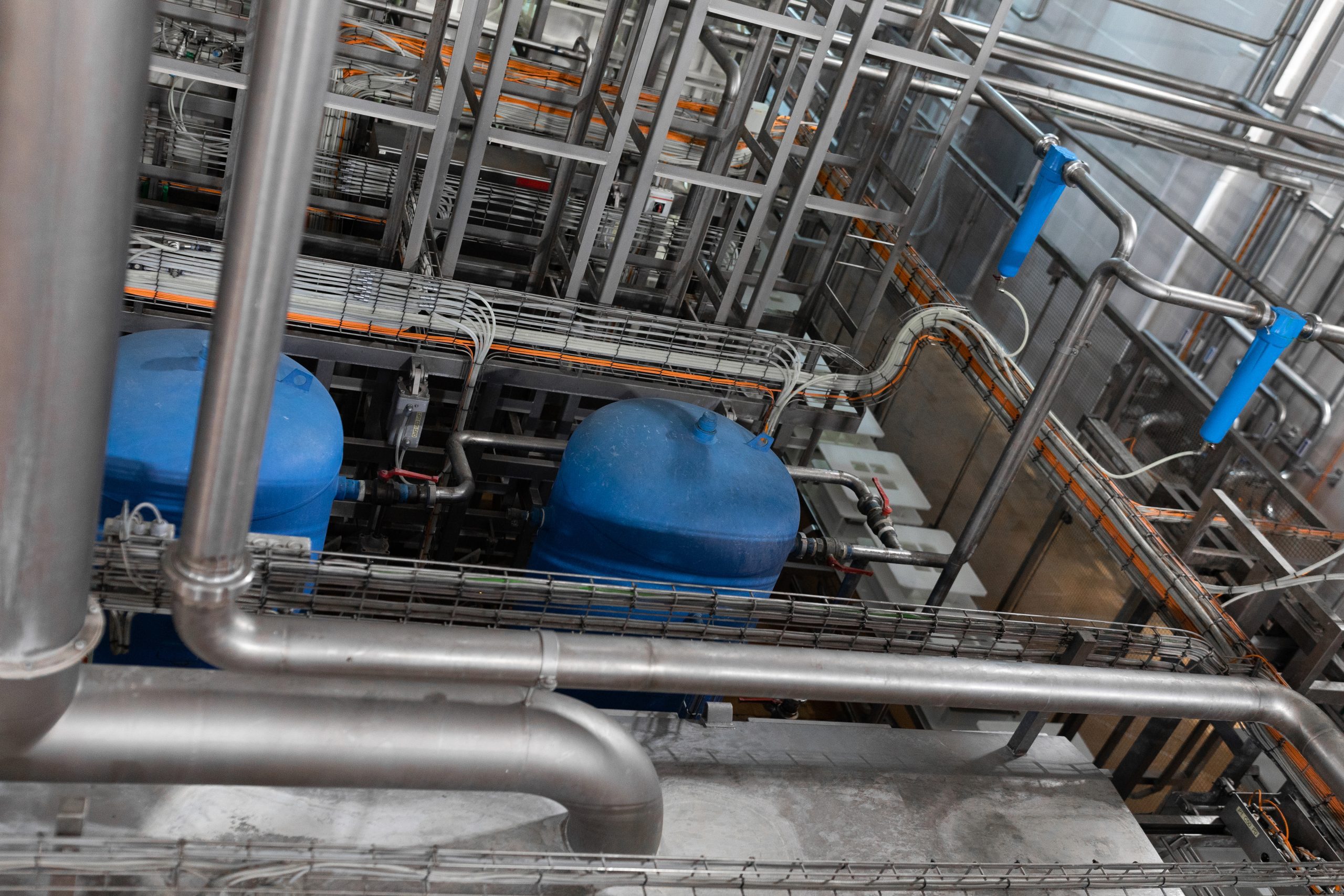
Type 304 stainless steel is widely used, while Type 316 is preferred in corrosive conditions, such as in the production of ketchup, soy sauce, or brine-based products. Ingredients like salt and acids from these processes can become airborne and settle on cable trays, increasing the risk of corrosion.
Cable trays in these settings are also frequently exposed to aggressive cleaning agents, either directly during washdowns or through overspray. These products often contain chlorides or acids that corrode less resistant materials. As global hygiene standards rise, stainless steel cable trays are becoming essential in sterility-sensitive settings, such as food production, pharmaceuticals, and healthcare facilities.
Supporting the World’s Most Extreme Rail Tunnels
Traffic tunnels for automobiles and trains are another critical application where molybdenum-alloyed cable trays reduce risks caused by humidity, fire, and the challenges of limited maintenance in difficult-to-access locations.
Tunnels are typically humid enough for corrosion to pose a significant problem. For example, Switzerland’s Mont Blanc tunnel experiences humidity levels ranging from 40 to 95%, well above the threshold where most environmental salts become actively corrosive. Despite the high humidity, tunnels face significant fire risks due to the presence of combustibles, confined spaces, and ventilation challenges. Albeit rare, these blazes can be devastating: a fire in the Mont Blanc tunnel in 1999 killed 39 people and cost €450 million (USD $464 million) in repairs.
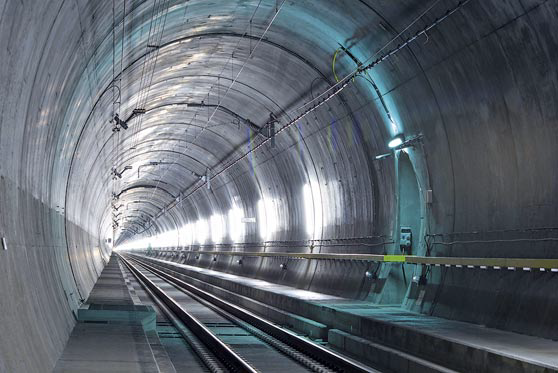
Type 316 stainless steel’s fire performance is well documented, reducing the risk of falling debris and structural collapse during such emergencies. This fire resistance was a reason for installing Type 316 stainless steel cable channels and supports for handrails along an emergency evacuation path in Switzerland’s Gotthard Base tunnel, the world’s longest and deepest rail tunnel. More than 8,000 meters of channel and 60,000 supports were installed in 2016.
The inherent difficulty of maintaining tunnels, especially in remote mountain locations or high traffic areas where closures disrupt operations, underscores the importance of durable, low-maintenance materials like stainless steel.
Type 316 stainless steel cable trays also serve one of the world’s most extreme tunnelling projects: the Udhampur – Srinagar – Baramulla Railway Link (USBRL) in the Indian Himalayas, comprising over 100 km of tunnels. This span connects Jammu and Kashmir provinces, providing a passage through rugged, sparsely populated, mountainous terrain. Not only is maintenance extremely difficult, but this span faces major corrosion risks from humidity and industrial fumes. Approximately 6,000 tonnes of Type 316 stainless steel cable trays were selected for their corrosion resistance, long lifespan, and low maintenance. The 2 mm thick, cold rolled trays with a 2B surface finish are integral to India’s longest transportation tunnels, which opened earlier this year.
Molybdenum-containing stainless steel cable trays, with their exceptional resistance to corrosion, high-temperature stability, and hygienic properties, are essential where reliability and durability are critical. From tunnels and offshore platforms to pharmaceutical and hygienic facilities, these trays ensure safety and performance in demanding conditions where failure is not an option.