Langley Alloys’ (Langley) distinctiveness lies in a combination of attributes: the comradery between the company’s employees worldwide, including the unyielding closeness between the employees at its Houston facility; the company’s enthusiasm for exploring new opportunities; its ability to embrace optimism despite unforeseen challenges; its resolute dedication to its existing customers; and its fervour for developing new and varied connections. The company specializes in supplying stainless, nickel, super duplex and copper alloys (including its very own Ferralium® 255) for industrial application in severe and corrosive environments. Karina de-Leuw and Nicole Papandrea, co-General Managers of Langley’s Houston facility, spoke with Stainless Steel World Americas to share their insights into the company’s commitment to its customers, each other, and pursuing the numerous possibilities that lie ahead.
By Kristen Charles – Editor, Stainless Steel World Americas
What Sets Langley Apart
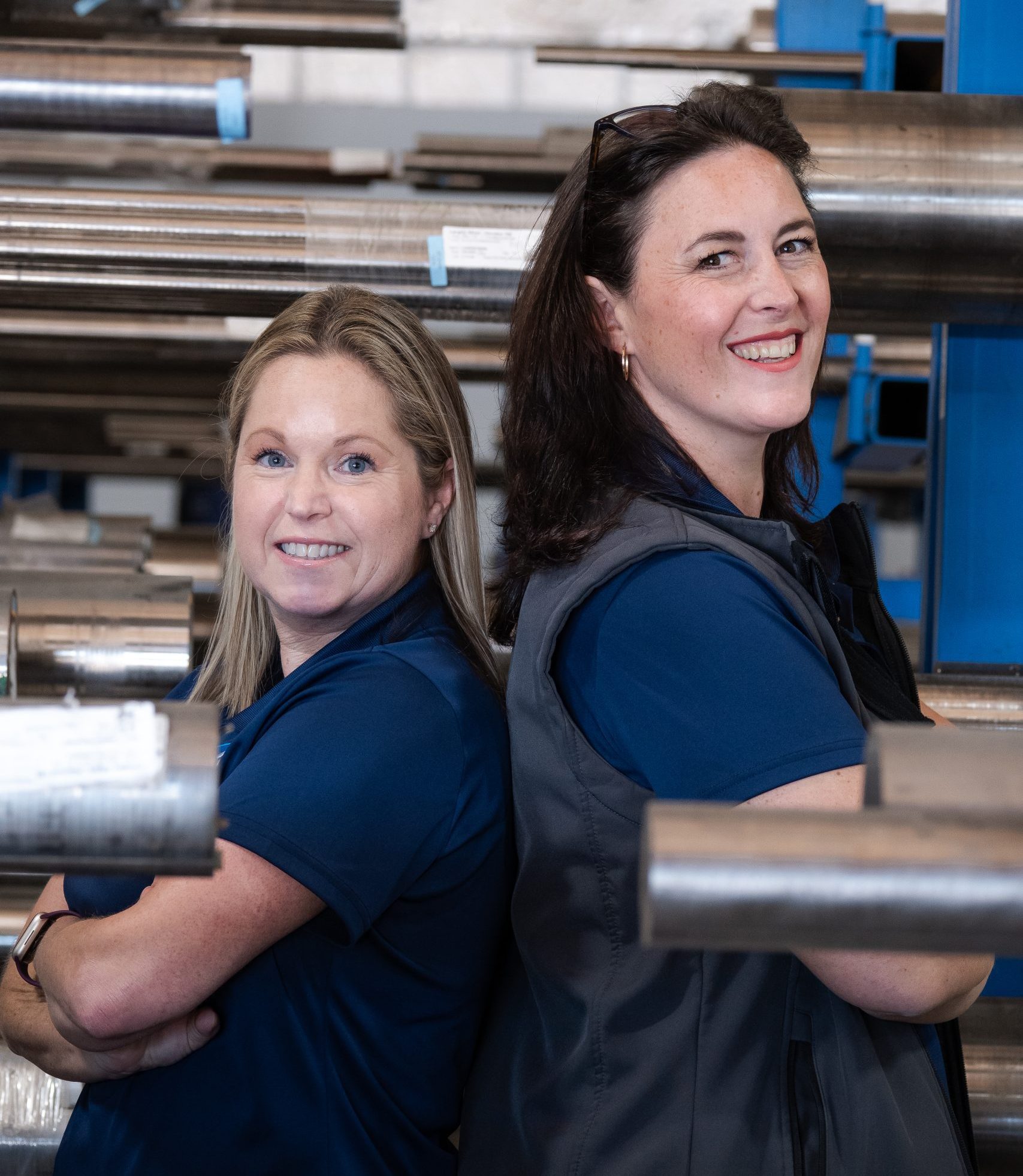
“I enjoy the whole dynamic in the office,” Papandrea said. “I wouldn’t change it for the world. The comradery also extends to the UK facility. We work well together.” Papandrea and de-Leuw became joint General Managers in 2022, and they are responsible for operating Langley’s Houston facility. They are a close-knit group that supports each other inside and outside of business hours.
A facility run by two women is uncommon in the stainless steel industry. de-Leuw oversees operations and internal audits while Papandrea manages sales, but both lead and drive a structured site. The fervent rapport between the managers projects confidence and resilience while inspiring the positive culture at the facility.
“I don’t know of many facilities with two women in charge,” observed Papandrea. “We both bring a lot of experience and knowledge to our areas of the business. That makes us unique. The industry knows who we are and who they are dealing with.”
Globally, Langley employs approximately 90 people. The formidable company maintains an inherent organizational structure; however, de-Leuw and Papandrea applaud the pragmatic, implementational approach the company takes to making decisions. Langley’s owner – Chris Halliday – and management appreciate smart business ideas regardless of where the idea originated. Recognition of a smart business idea and a fearless approach to embracing new ideas keeps the entire organization invested in the company’s forward-moving momentum.
“We work for a company with extensive global reach that is still small enough to make quick decisions that move the company in a smart business direction,” commented Papandrea. “Decisions are thoughtfully reviewed in a timely manner and don’t get bogged down by endless formalities and repetitive discussions.”
Facility Expansion
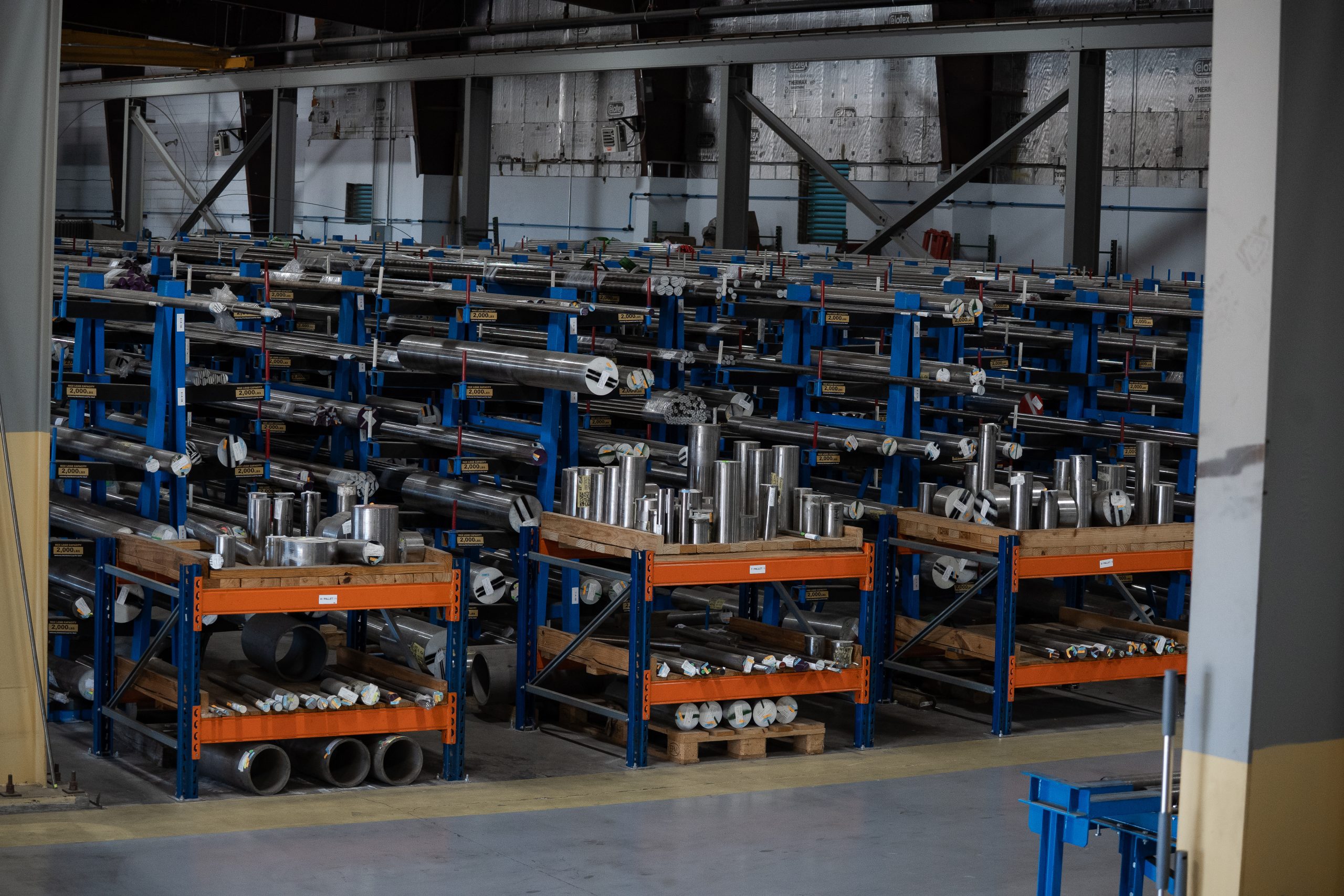
Langley Alloys previously operated in the United States through two sites: Vancouver, Washington and Houston, Texas. The original facility in Houston, which opened in 2013, was only 7,000 square feet before expanding to 12,000 square feet. In 2021, the processes at both sites were combined in a new 30,000-square foot facility in Houston. “It was a big transition to go from 7,000 to 12,000 to 30,000 square feet,” said de-Leuw. “But when we acquired the bigger facility, it made sense to consolidate all the products at the Houston site.”
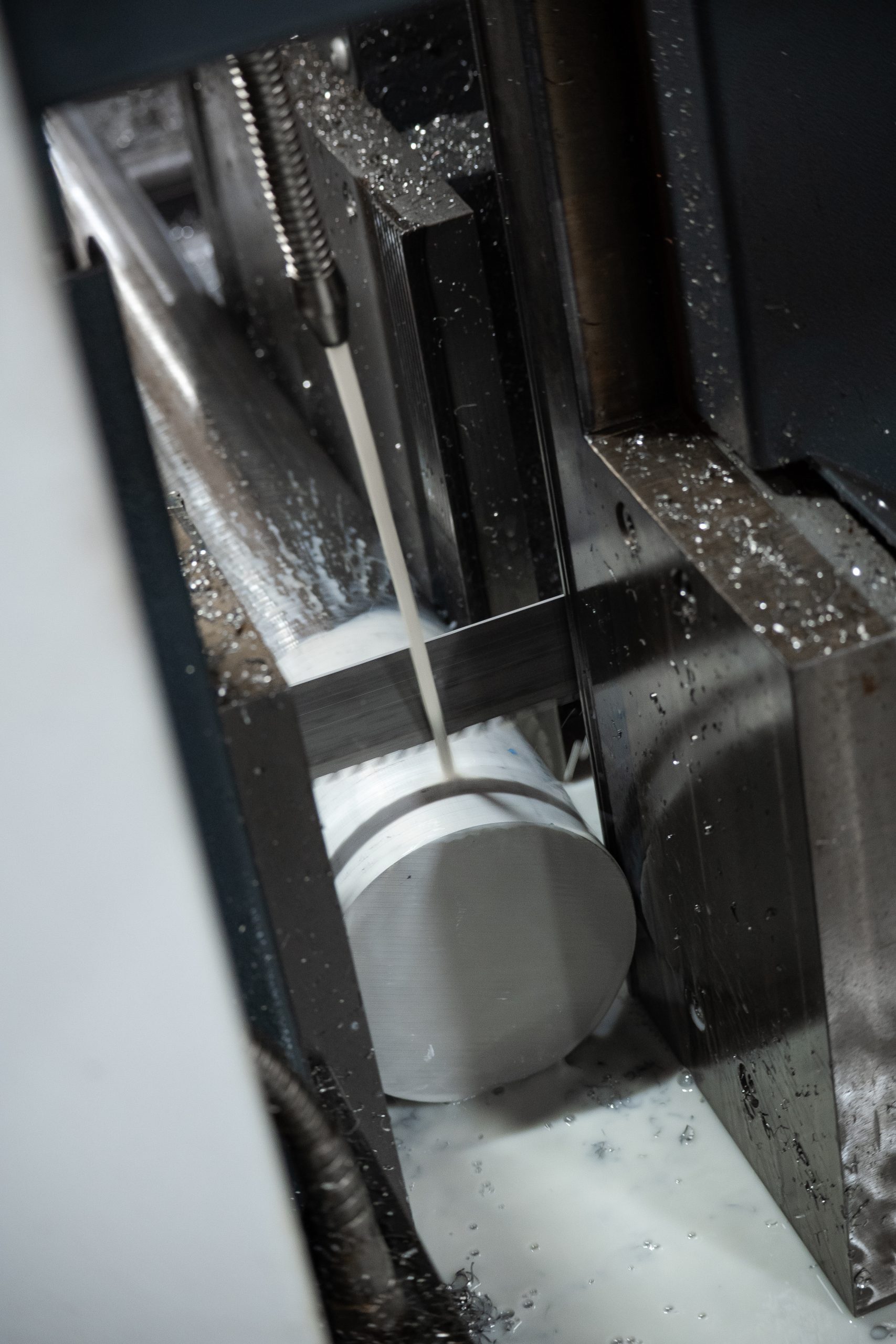
The UK sites undertake a far broader range of processing, including a full-fledged CNC machine shop supplying finished components, and a bar processing site able to straighten, peel and grind large bars.
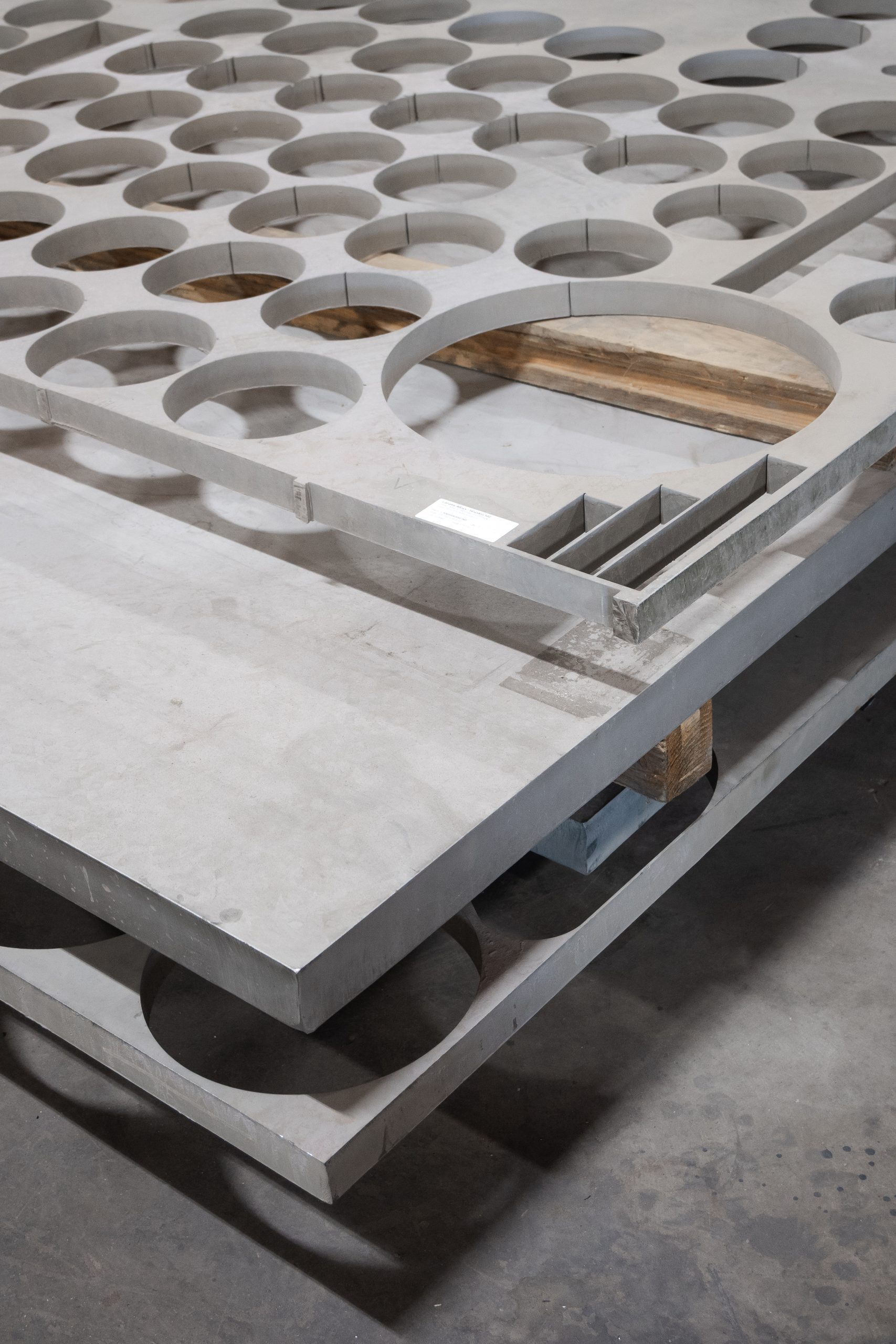
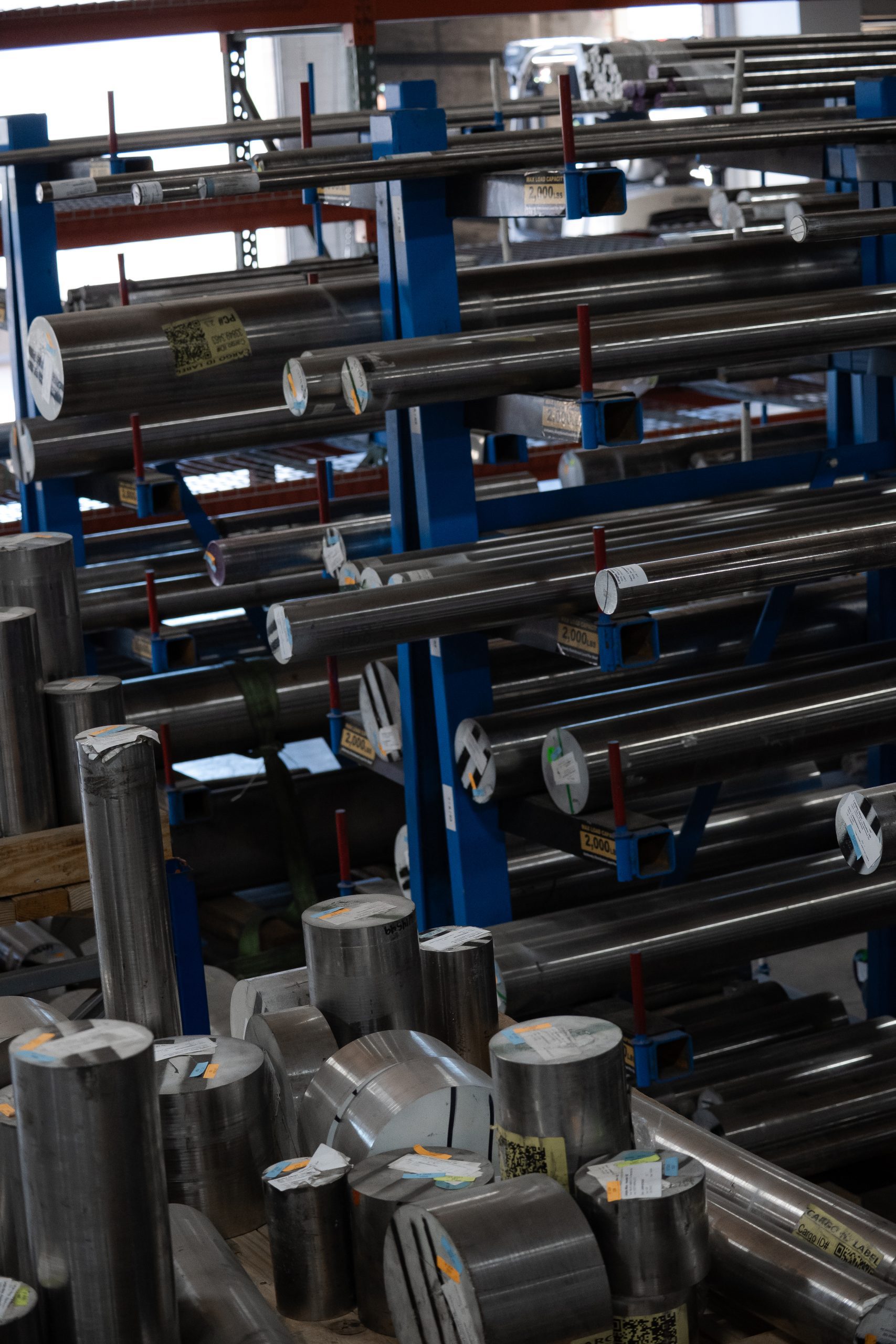
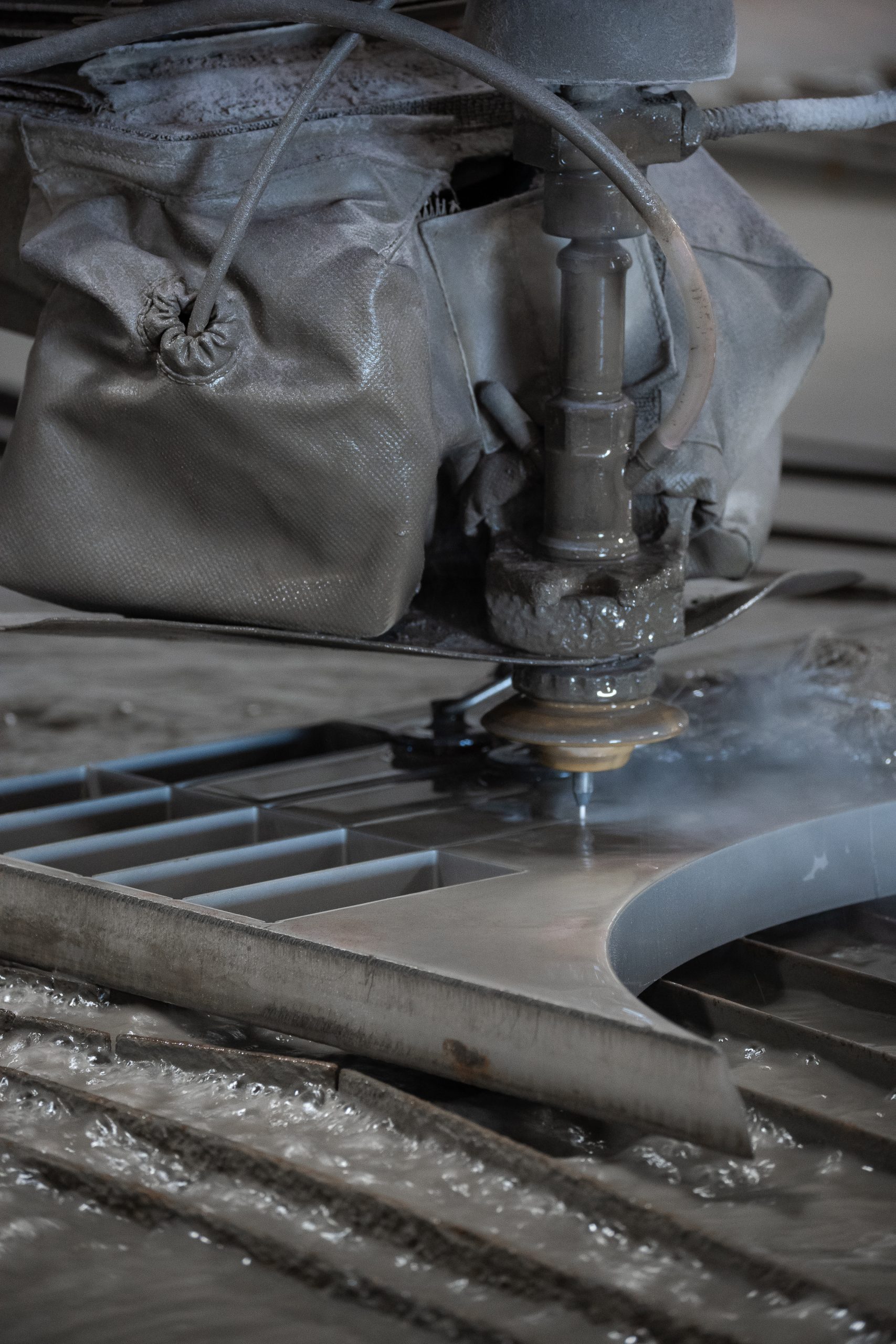
Meanwhile, the Houston facility provides mainly distribution services and some in-house capabilities including waterjet cutting, which they undertake for the entire company. While both facilities stock bar, only the Houston facility stocks plates.
Learning, Growing, and Exploring
When asked how Langley stays competitive in the industry, de-Leuw responded, “We keep moving.” She credits the company’s entrepreneurial spirit in addition to its owner and directors. “We aren’t afraid to research different areas or explore potential opportunities where we can contribute our offerings. There are always new applications to be applied in oil & gas, and we will continue to dedicate ourselves to that industry, but aerospace, for instance, is a new frontier.”
Langley’s operations in the UK have been historically involved in aerospace, although it has not been a major focus of the business more recently. However, the US facility has been approved as a preferred supplier for a leading aerospace organization in the last two years. “This has been quite a journey, learning the ins and outs of what these companies need, how quickly they need it, the materials they require, and their specifications. And we continue to grow right alongside these companies,” said Papandrea. “Aerospace is an industry that is burgeoning and filling mill capacities everywhere. It makes perfect sense that we would be involved.”
The company invests in sales staff attending technical shows and industry expos to stay updated on what’s happening in the industry, emerging technologies, and trends appearing on the horizon.
While diversification and expansion are critical elements of Langley’s plans, the company remains committed to industries like oil & gas and pulp & paper. “We will always be there for our customers in those industries, but we also need to identify where opportunities exist for us,” said de-Leuw.
Certifications and High Expectations
Langley is ISO 9001-2015 certified, and the Houston facility was recertified in October 2025. It also just received its Commercial and Government Entity (CAGE) code, so it is now able to pursue business opportunities with US federal agencies. The UK arm of Langley recently re-instated its AS9100D certification, extending it to the Houston site is the logical next step.
 in common: high-strength and excellent resistance to corrosion. Applications are many and varied, but long-term immersion in seawater or exposure to aggressive process chemicals are the most common. This can cover oil and gas, marine and naval, chemical process industries, mining, water treatment and general engineering applications.
While each Langley site oversees its own inventory management, Langley’s quality management system is consistent across all sites.
“We all follow the same procedures that are set in place,” de-Leuw confirmed. “We are ISO certified so we work within the outlined parameters. In fact, we have been told that we exceeded the prescribed guidelines.”
Audits happen generally every 18 months. Industry standards like ISO are crucial, as some potential customers will not work with suppliers unless they have certification from a certified body.
The facility faces audits from inspectors, but customers also audit the facility’s processes to ensure the company’s approach is robust. “Our customers want to be sure that we are prepared to quarantine materials if necessary and that nothing will leave the facility with defects. It’s part of our industry,” said de-Leuw.
“We have gone through some really extensive and tough audits, and Karina [de-Leuw] pulls us through with flying colors. The big OEMs audit us periodically to ensure we are in compliance with industry standards,” added Papandrea.
Langley conducts its own internal audits, which are brutally thorough and meant to identify non-conformances. If it does discover an anomaly, it follows the “fishbone” method and ask the five why’s to identify the cause.
de-Leuw and Papandrea view internal audits as learning opportunities to isolate deviations in a process and highlight where employees may require additional training. “Everybody learns differently,” said de-Leuw. “Someone can ask me the same question multiple times, and I will respond differently every time because if they continue to ask me, it means they did not understand the first time. Everyone’s brain works differently, but eventually one response will make sense.”
Confronting Industry Challenges
The stainless steel industry has been grappling with the tariffs imposed by the US administration earlier in 2025, and Langley is no different. The company specializes in 25 chrome duplex and super duplex, which are manufactured predominantly in Europe. This family of high-performance stainless steels was originally developed in Europe – in fact, Langley’s own Ferralium® 255 was the very first commercial grade of super duplex.
As such, there is a longstanding experience there that is harder to replicate. American steel mills chose to develop in different grades and market segments. However, importing such products continues to be an expensive and uncertain endeavor, for both Langley and its customers.
Typically, procurement is facilitated by the UK site. Multiple containers are directed to Houston monthly, and the contents are all subject to tariffs. Langley is not facing this trial alone. Its competitors are encountering the same challenges because they too import product that is not manufactured in the US.
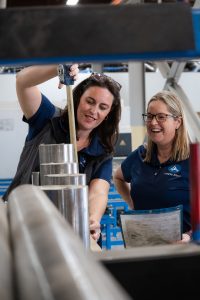 Karina de-Leuw joined Langley in November 2008. She worked in many areas of the company, including shipping and receiving, procurement, quality assurance, sales, and IT support.
de-Leuw and Papandrea are optimistic and view this challenge as the latest storm. “We survived COVID and two recessions. Hopefully, this time won’t be any different than the others, and we will come through stronger at the end. We are going to keep moving forward. It is what we have always done,” said de-Leuw.
Previous challenges have prepared them somewhat for situations like the tariffs.
“We have processes in place that ensure we have a steady supply of material coming in,” said Papandrea. “So, we don’t have any big gaps in our inventory.”
During COVID-19, they kept bringing in material while other distributors had stopped. Their inventory never dwindled, so they could continue fulfilling their customers’ needs, and they were able to resist layoffs.
Investing in Opportunities
In the short term, the company plans to navigate the current market difficulties and persist through the tariffs. “We keep in close contact with our customers, and we continue to stock what they need by importing product they require into the US,” said Papandrea.
“Langley has been relatively quiet in the US. This company has such huge potential in this market,” Papandrea continued. But they are ready to make some noise through growth and expansion into other markets in addition to oil & gas, such as aerospace, naval, and mining. “We have a great site here. We have a fantastic team. We have plenty of room to grow,” said de-Leuw. “Anywhere there’s an environment that is wet and corrosive, that’s where we want to be.”